Germany: A Historical Hotspot

Written By: Connor Y
In the country of Germany, both tourists and citizens alike frolic along the winding brick roads, visiting pubs, historical landmarks, and restaurants. Located in Northwestern Europe, the country’s rich culture, ranging from tasteful palates and royal castles, provide a significant marker of both modern and medieval history.

Flag Significance
Germany’s flag of red, black, and yellow stripes hold symbols of core German principles. The black at the top represents perseverance and strength, with examples of these values held during World War II, where many German soldiers kept fighting through harsh Russian climates. The middle red portion shows courage and bravery, prized by many German citizens. Finally, the gold at the bottom stands for generosity and hope, proving to be a reality for modern-day Germany.

German Foods
Wurst: A variety of sausages, which includes bratwurst, currywurst, and more
Kartoffelpuffer: Pan fried potato pancakes, served with a side of applesauce
Pretzels: Long, twisted knots of bready dough served with mustard
Kuchen: German cakes with include flavors like apricot and plum

Historical Landmarks
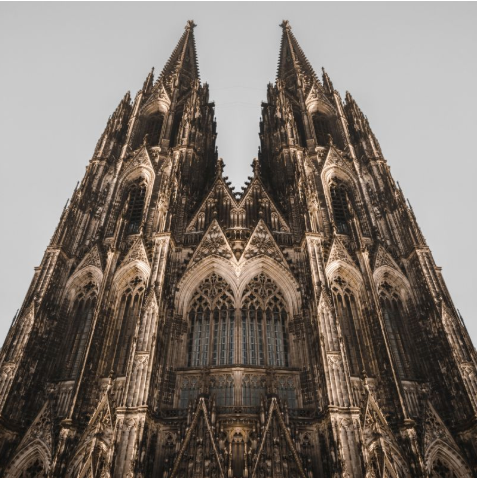
Cologne Cathedral: A massive, gothic-influenced church located in the city of Cologne, known for its twin spiral towers and an over-six-hundred year construction period. Famed for surviving the World War II bombings, it has received the UNESCO World Heritage Status and houses the Shrine of the Three Kings.
Brandenburg Gate: Constructed in the late 18th century, Brandenburg Gate was considered as a symbol of peace, yet eventually became infamously known as a symbol of German Division during the Cold War.
German Traditional Events
Oktoberfest: Held in Munich, this annual beer festival attracts thousands from across the globe to drink and party.
Weihnachtsmärkte: These historic Christmas markets originate from German Medieval eras, selling crafts, food, and gifts, starting from late November to a few days before Christmas.



Comments